Japan Dtto App (UE)
Industry
Social Media
Duration
6 Weeks
Company
Dcard
Team
1 UXD, 3 DEV, 1 PM
Business Challenge:
Building Engagement from 0 in a New Market
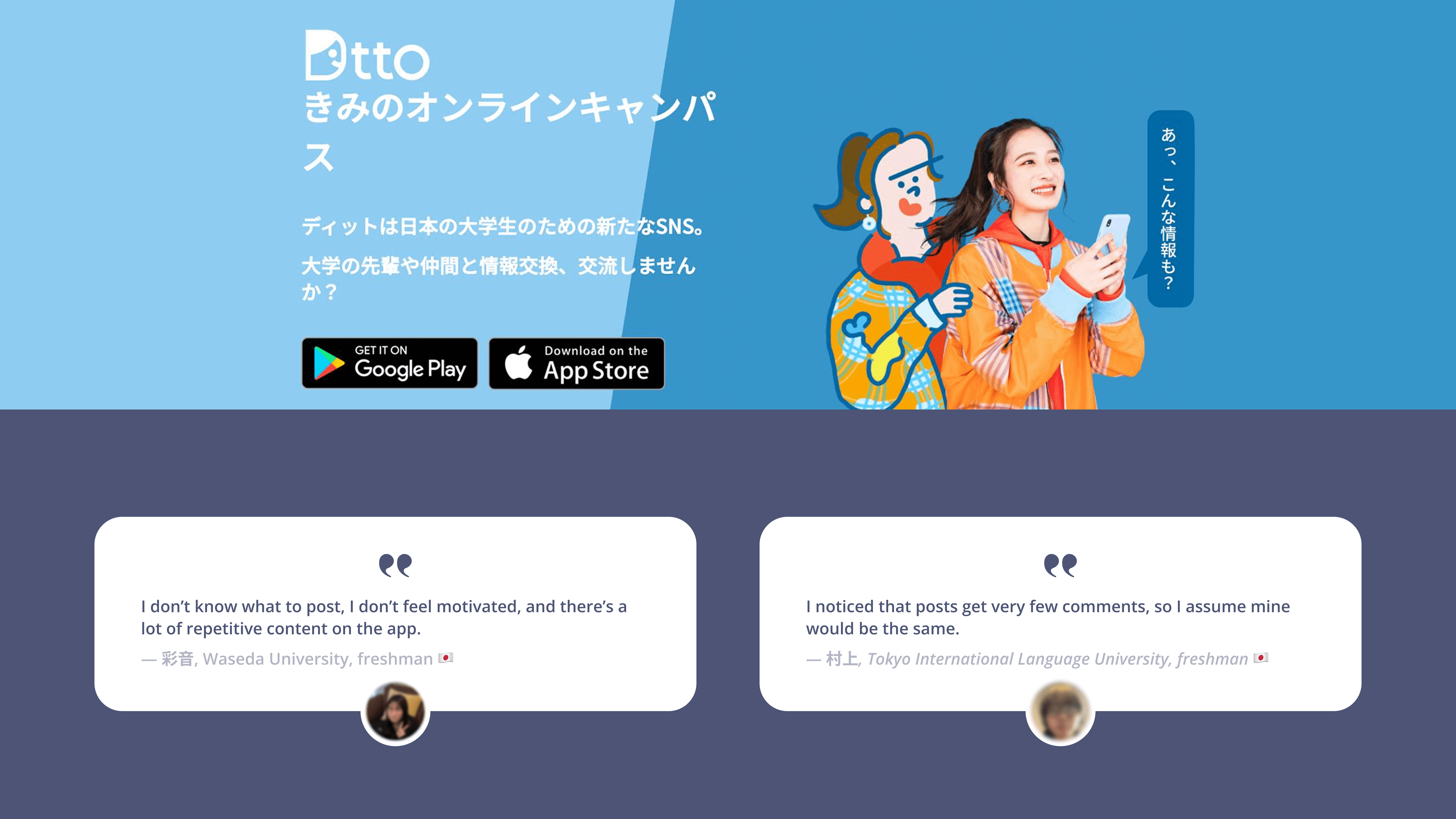
Dtto launched as the Japanese version of Dcard, but unlike Dcard’s growth in Taiwan, Dtto entered Japan with no existing content, community, or network effects. Early user activity was low, and limited engagement made it difficult for new users to feel motivated or safe enough to participate. Without meaningful interaction, growth stalled, reinforcing the cold-start problem.
Focus Group Research:
Understanding Why Users Don’t Engage
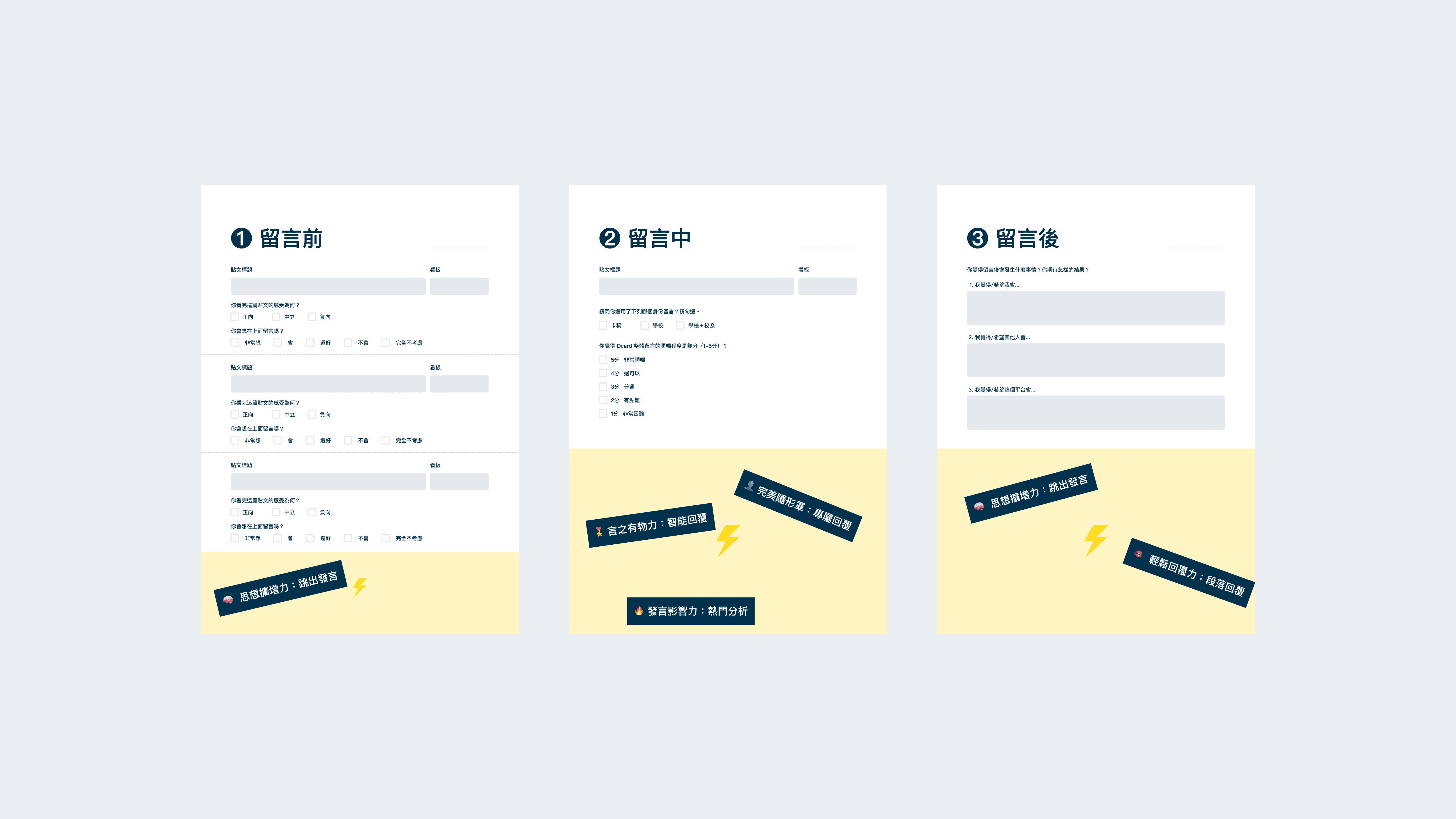
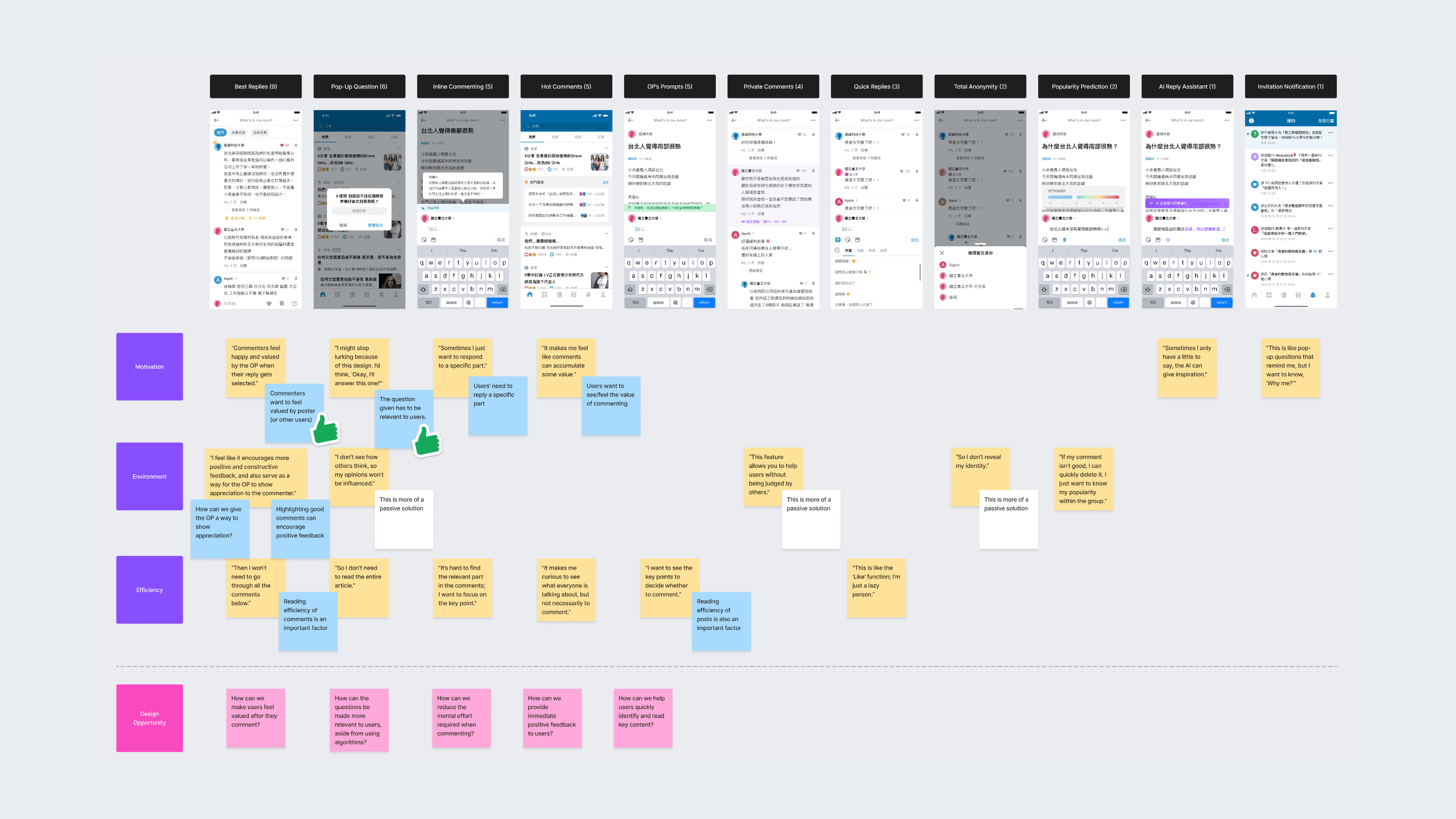
Instead of jumping into feature ideas, we focused on understanding what actually prevents users from participating. By synthesizing existing qualitative research and focus group insights, we examined how users experience the platform before, during, and after engaging with content. This helped us identify not just surface-level usability issues, but the emotional and cognitive costs users face when deciding whether to comment, respond, or share.

Design Direction:
Lower Pressure, Higher Motivation
Our findings showed that engagement wasn’t blocked by lack of functionality, but by:
Fear of negative or hostile responses
Low motivation caused by repetitive content
The effort required to read and process long discussions
Rather than pushing users to post more, we reframed the goal as making participation feel lighter, safer, and more rewarding, especially for first-time and low-confidence users.
Design Strategy:
Localized Engagement for the Japanese Context
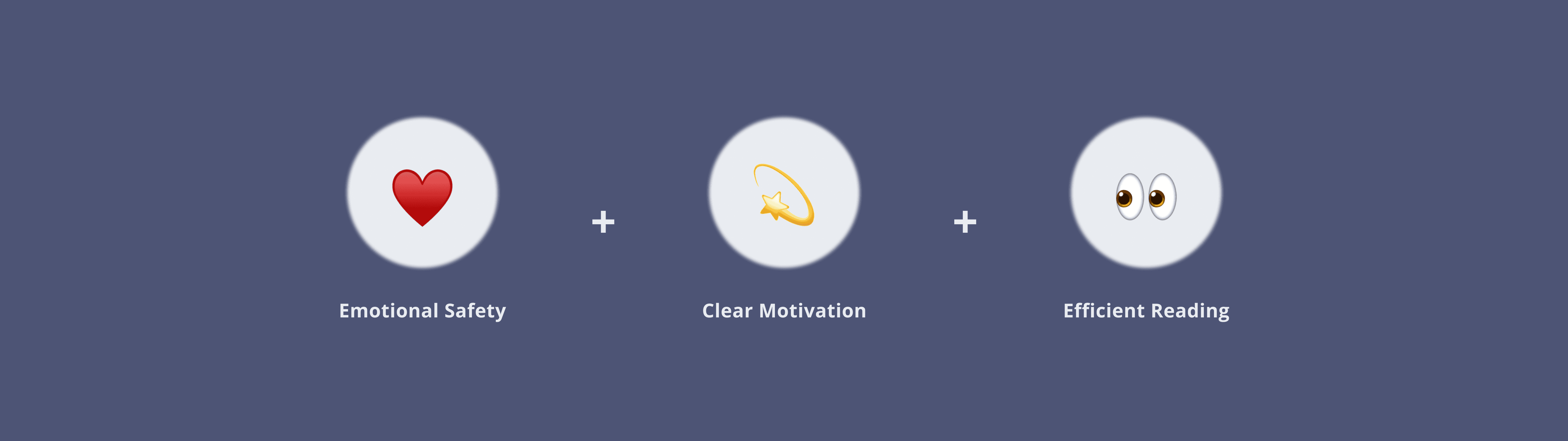
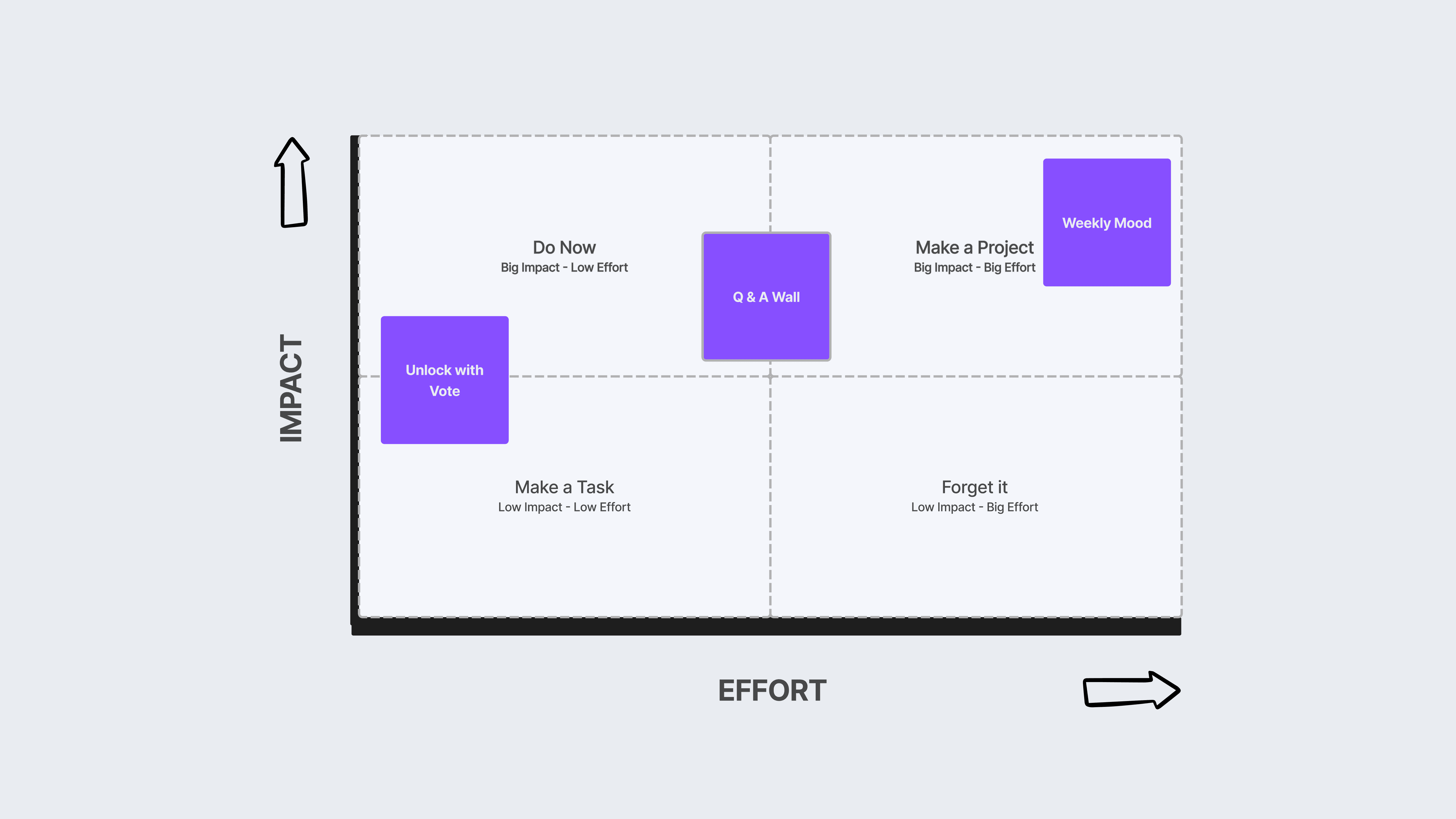
While Taiwan and Japan differ culturally, core user needs—emotional safety, motivation, and efficiency—were consistent. Using these shared needs as a foundation, we adapted solutions to Japanese social norms and content consumption habits, prioritizing subtle prompts, low-exposure interactions, and efficient information scanning. Given limited resources and uncertainty around long-term investment, all concepts were evaluated using an impact–effort matrix to ensure feasibility.
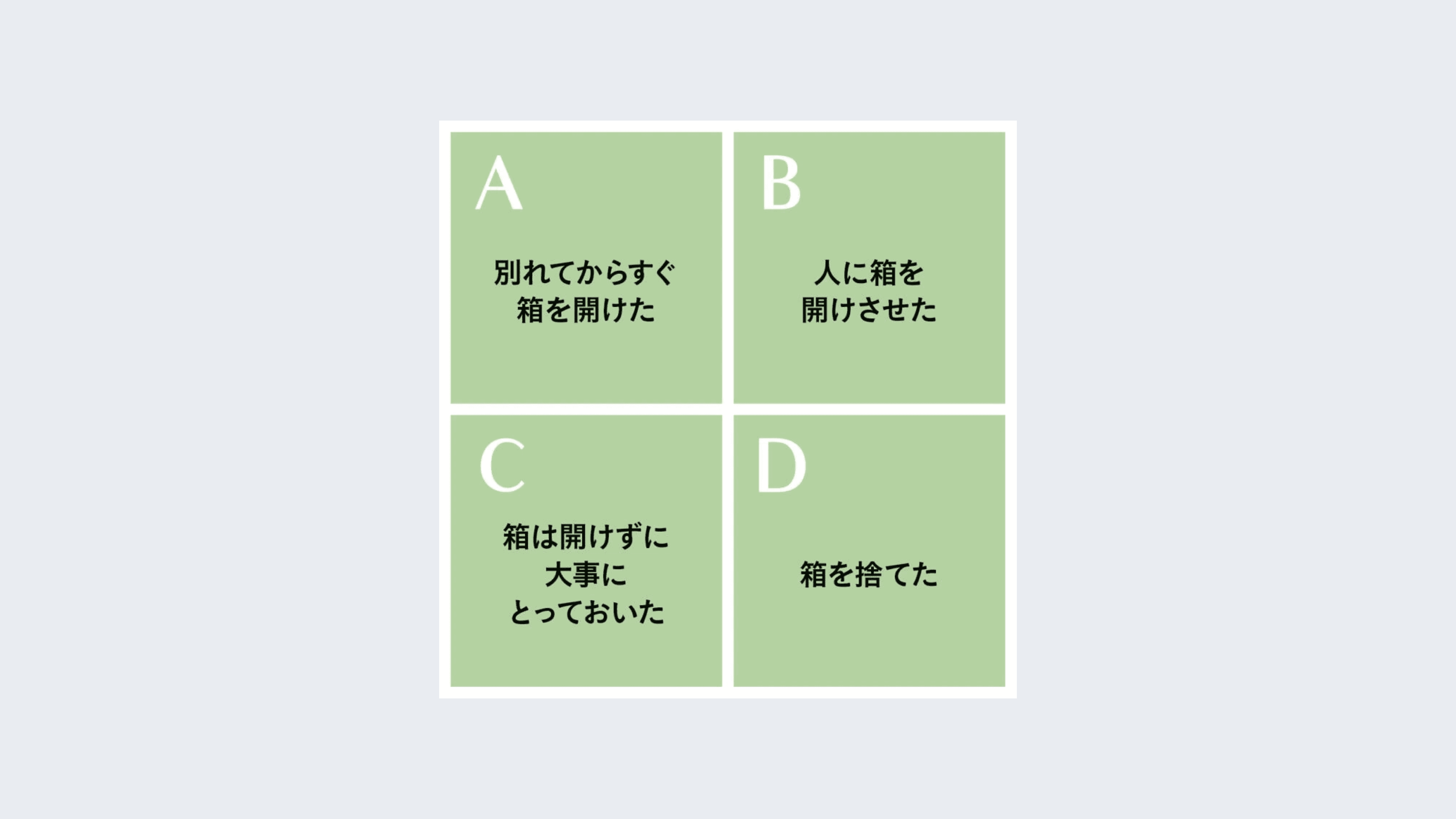

What We Delivered
Lightweight Concepts to Drive Engagement
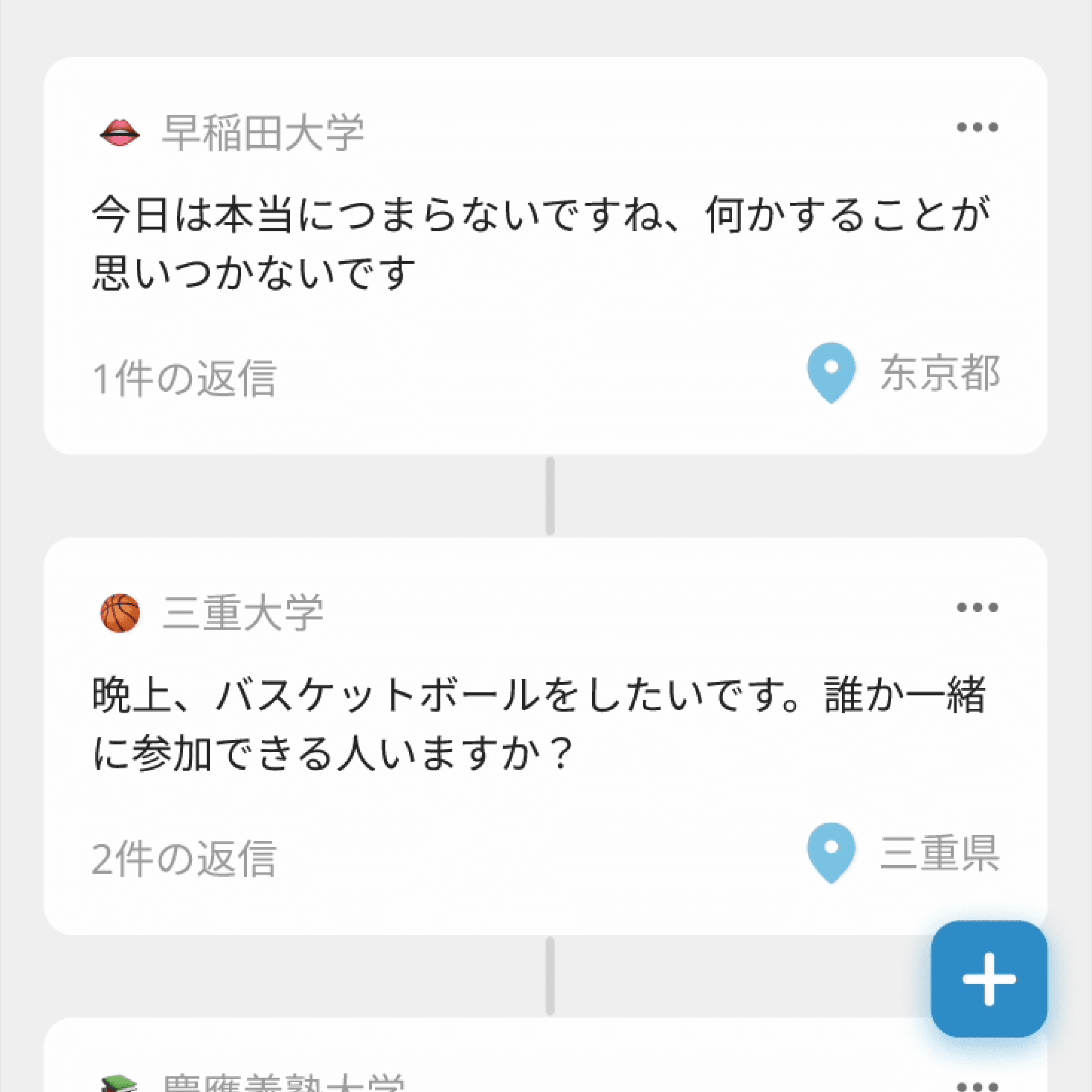
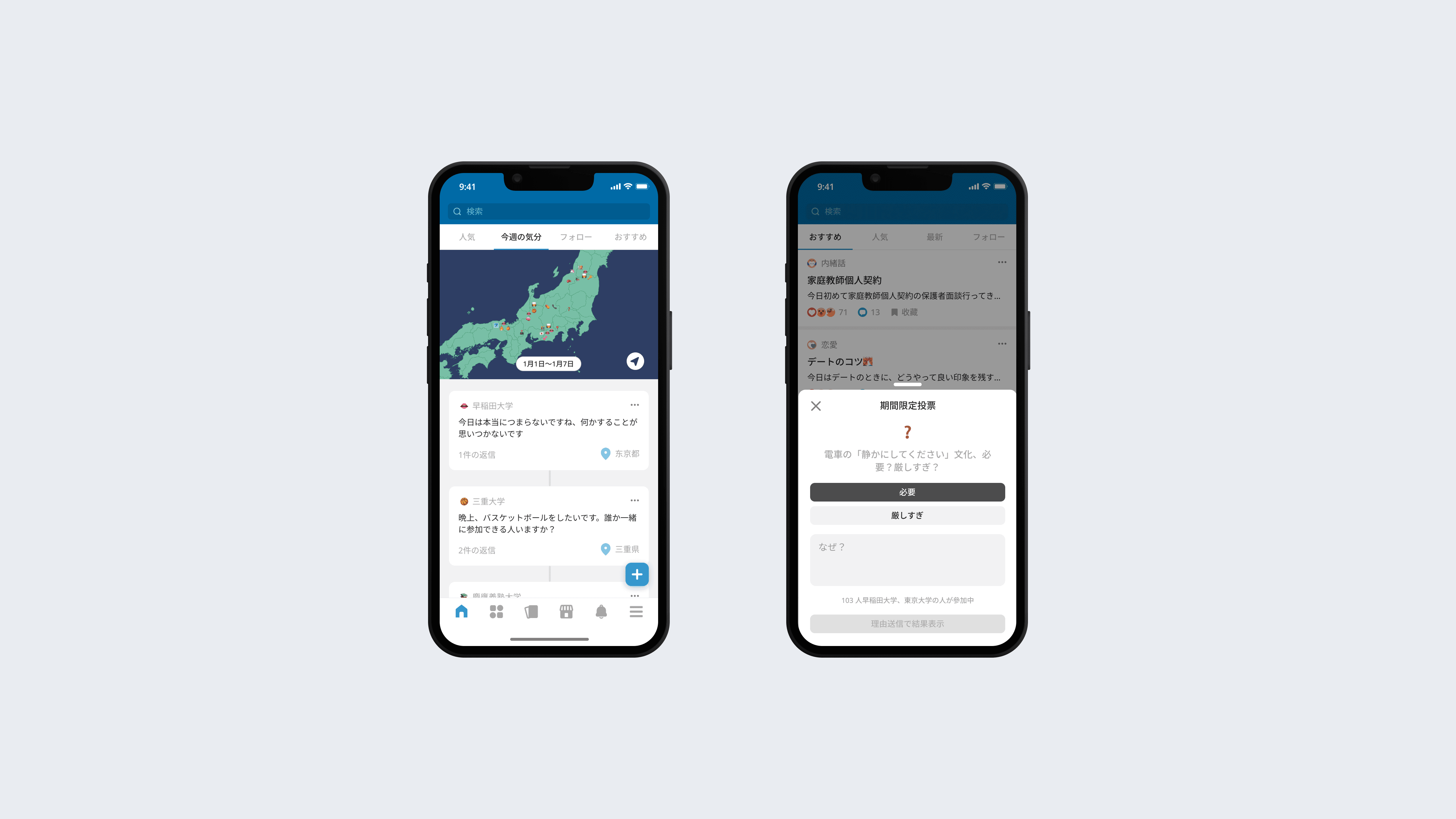
Unlock with Votes:A low-effort interaction that uses personality-style prompts (popular in Japan) to spark curiosity. Users can only view others’ responses after submitting their own, increasing participation while minimizing social exposure. Q&A Wall:A new surface that highlights questions and contributors without immediately revealing full replies. This improves reading efficiency, encourages recognition-driven participation, and allows users to engage with minimal effort. Weekly Mood:An exploratory, anonymous feature that allows users to share emotions without reply pressure. A weekly mood map visualizes collective sentiment, creating a sense of shared presence and encouraging repeat engagement over time.